


As Coordinator of the Debate Society, it gives me immense pride to celebrate a remarkable achievement by our current team of debaters, who have recently been crowned regional champions in the English-Speaking Union Schools’ Mace competition. This is an extraordinary milestone for the students involved and a moment of great significance for our school’s debating tradition.
The English-Speaking Union Schools’ Mace is widely regarded as the most prestigious and oldest debating competition for young people in the United Kingdom. Each year it attracts hundreds of schools from across the country, bringing together some of the most articulate, thoughtful and intellectually curious students to engage in rigorous debate on important issues. To succeed at this level requires not only intelligence and preparation, but also confidence, teamwork and the ability to think quickly under pressure.
This year’s team has demonstrated all of these qualities and more. Their victory at the regional stage now means they have qualified for the national Finals Day, which will take place on 7 May. On that day, the final 12 schools selected from an initial field of around 350 competing schools, will gather to compete for the coveted national title. Reaching this stage alone is an exceptional accomplishment and reflects months, and indeed years, of commitment to developing the art of debating.
What makes this success particularly meaningful is the journey that has led to it. This team has evolved steadily over time, with several of the current debaters having joined the society six years ago when they first arrived at the school in Year 7. Since those early days, they have developed their skills week by week, gradually building the confidence, analytical ability and rhetorical flair required for competitive debate. To see them now, as experienced senior students who have reached the pinnacle of school debating by qualifying for Finals Day, is deeply rewarding.
Whatever happens on 7 May, these three students have already achieved something extraordinary. By reaching this stage of the competition, they are now among the 36 best school debaters in the United Kingdom. That distinction alone speaks volumes about their dedication, intellectual curiosity and willingness to challenge themselves. The skills they have developed through debating, critical thinking, persuasive communication, structured argument and respectful disagreement, will undoubtedly serve them well in their future academic studies and careers.
Their success also highlights something I have long believed: debating is one of the most powerful educational activities available to young people. It encourages students to engage deeply with ideas, to analyse complex issues from multiple perspectives and to articulate their thoughts clearly and persuasively. In an age where information is abundant but thoughtful discussion can sometimes be scarce, debating provides a vital space for reasoned argument and respectful dialogue.
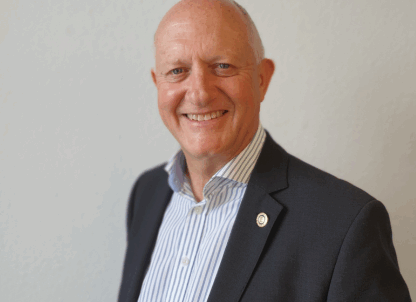
When I, Dr Briege Rice, established the current Debate Society eight years ago, my aim was to create exactly that space. I wanted students to feel confident exploring challenging questions and expressing their ideas in front of others. Since then, the society has grown enormously in both popularity and ambition. What began as a small group of enthusiastic students has developed into a vibrant community that spans the entire school.
One of the aspects of the society that I am most proud of is how it brings together students from across all key stages. It is not uncommon to see Year 7 students debating alongside those in Year 13, learning from one another and building confidence together. Younger students gain invaluable experience by observing and participating with older debaters, while senior students develop leadership skills as they mentor and challenge the next generation. This intergenerational aspect of the society creates a dynamic and supportive environment in which everyone can grow.
I hope that the current team’s success will continue to inspire the many students who attend debate sessions each week. Their achievement demonstrates what can be accomplished through perseverance, curiosity and a willingness to engage with difficult ideas. For our younger debaters in particular, it offers a powerful example of where dedication to the craft can lead.
Debating success at the school is not limited to this team alone. This weekend, our girls will also be representing the school in a different debating competition, and we wish them every success as they continue to develop their own debating journeys. Their participation highlights the breadth of talent within the society and the enthusiasm that so many students now have for this activity.
One of the reasons our debaters continue to improve is the structure of our weekly sessions. Each week students go head-to-head in forty-minute debates on important and thought-provoking topics. Recent motions have explored issues such as climate change, the strengths and weaknesses of the current education system, and the differences between religion and science. These discussions challenge students to research widely, think critically and respond thoughtfully to opposing viewpoints.
In doing so, debating enriches students’ understanding of the wider world. It encourages them to consider perspectives beyond their own experiences and to grapple with the complexities of contemporary issues. At the same time, it stretches and challenges them academically, sharpening the analytical and communication skills that underpin success across all areas of study.
As we look ahead to Finals Day in May, there is a great sense of excitement within the society. Regardless of the final outcome, our regional champions have already made the entire school community proud. Their journey from enthusiastic Year 7 beginners to national finalists is a testament to their dedication and to the spirit of intellectual curiosity that defines our Debate Society.
I look forward to seeing where the next generation of debaters will take us. – Dr Briege Rice
Frequently Asked Questions
1. How long has the current Debate Society been active?
The current Debate Society is now in its eighth year. I founded it when I first joined the college, with the aim of creating a space where students could explore ideas, challenge one another intellectually, and develop the confidence to speak publicly. What began as a small group of interested students has grown into a thriving and popular part of school life, with students from across all year groups regularly taking part.
2. When are debate practices held?
The Debate Society is one of the many enrichment opportunities available to students at the college. Our regular sessions traditionally take place every Wednesday after school, where students meet to practise debating, develop arguments and explore new topics. However, in the weeks leading up to major competitions, the commitment often goes further. Many of our debaters generously give up break times and lunch times to refine their arguments, practise speeches and prepare thoroughly for upcoming debates.
3. How many students are usually in a debating team?
A debating team typically consists of three students: a chairperson, a proposition speaker, and an opposition speaker. Each role plays an important part in the structure and success of a debate. The chairperson guides the debate and introduces the speakers, while the proposition and opposition speakers present and defend their respective arguments.
4. What is the format of the English-Speaking Union competition?
The English-Speaking Union Schools’ Mace follows a clear and structured format. The first two speakers on each team deliver speeches of seven minutes, while the final speaker delivers a five-minute closing speech summarising their team’s case. After the first minute of each speech has passed, members of the opposing team are able to challenge the speaker by offering points of information, which the speaker may choose to accept or decline.
Another key element of the debate is the question from the audience, known as “the floor.” Students must respond to this question without prior knowledge of what it will be. Because these questions are completely unseen, debaters must have a deep understanding of their topic and be able to think quickly and clearly under pressure.
5. What is the best thing about running the Debate Society?
For me as a teacher, running the Debate Society provides a unique opportunity to academically challenge students outside the formal curriculum. It is honestly one of my favourite parts of being a teacher. Through debating, students broaden their horizons, learn to think creatively and critically, and develop the confidence to express their ideas. Sitting in the audience alongside their parents and watching their hard work, preparation and teamwork come to fruition during competitions is an incredibly rewarding experience.
6. Any advice for students thinking about joining?
My advice is simple: join now! Debate Society is a welcoming space where everyone’s opinion is respected. There are no “wrong” answers — the aim is to explore ideas and develop arguments together. Students will learn the tricks of the trade, from structuring persuasive speeches to sounding confident when presenting an argument. They will also learn how to research topics using academic articles and credible sources, while developing essential teamwork skills such as listening carefully, thinking on their feet, and working closely with their partner to produce the strongest possible response.
In short, if you enjoy thinking about big ideas, discussing important issues, and developing your confidence as a speaker, Debate Society is the perfect place to start.







 Back
Back